
Read the article
here.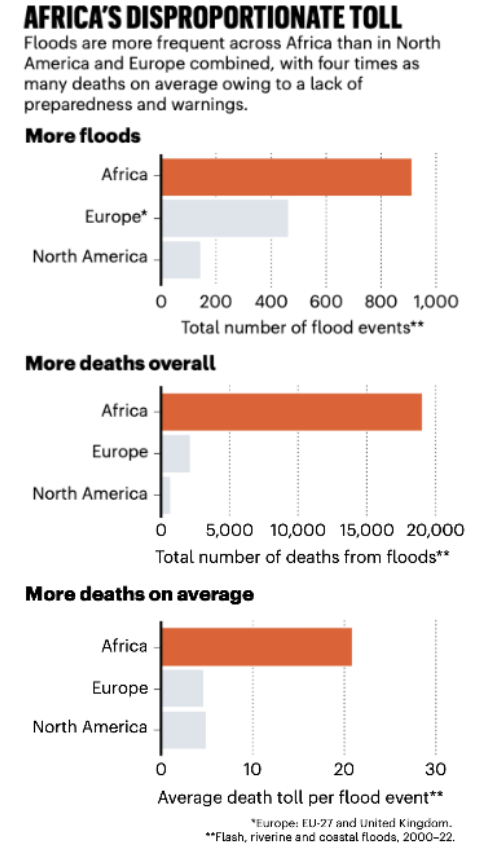
Across Sub-Saharan Africa, farmers make decisions with limited data. Plant now or wait? Harvest early or risk the storm? For millions of people whose livelihoods depend on rain-fed agriculture, these questions are critical.
The problem isn't that weather forecasting is hard (it is, globally). The central challenge in Africa is that the population has to make decisions based on a limited data set; Africa operates on a fraction of the data that developed countries can leverage. Over the entire continent of Africa, two out of 53 African WMO countries were compliant with basic requirements for ground-level observation stations. According to Climate Hazards Center, the number of functioning ground-based weather stations in Africa has plummeted from about 3,300 in 1981 to less than 800 in 2023. For perspective, Germany alone (which occupies less than 2% of Africa's landmass), operates over 2,000 stations.
The Cost of Invisible Weather
Data scarcity has real consequences. In 2022 alone, more than 110 million Africans were directly affected by weather-related hazards resulting in approximately 5,000 deaths and over $8.5 billion in economic damages. When storms intensify faster than forecasts can track, the window for evacuations shrinks to hours. For example, Cyclone Idai intensified so rapidly that ensemble models only captured it 25% of the time at 1-3 day lead times—contributing to a death toll that exceeded 1,000. More frequent observations mean catching these changes sooner.
Agriculture employs nearly 60% of the workforce in Sub-Saharan Africa. Without reliable forecasts, farmers are forced to gamble on increasingly erratic rainfall patterns. Transportation infrastructure suffers too: roads wash away in unexpected flash floods, flights face delays and safety concerns, and shipping becomes unnecessarily hazardous.
The University of Cambridge warns that without major upgrades to "hydromet infrastructure," the damage and death toll caused by climate-related disasters across Africa will "balloon." The economic opportunity cost is equally staggering: the World Bank estimates up to $13 billion in annual benefits from improved weather services across Sub-Saharan Africa through better agricultural output, reduced disaster losses, and more efficient water management.
A Different Approach to Data Collection
Traditional weather infrastructure is prohibitively expensive. According to a 2008 study by the National Research Council, a single weather radar station can cost more than $10 million to purchase and install in remote territories. Satellites, while valuable, primarily observe cloud patterns from above, missing crucial data from the atmospheric layers where weather actually develops.
We're taking a fundamentally different approach here at WindBorne. Our long-duration weather balloons navigate autonomously between sea level and 25km in altitude, flying for up to 40 days at a time. Unlike traditional weather balloons that burst after a few hours and provide only a single vertical snapshot, WindBorne's balloons can be navigated to remain over specific regions or target developing weather systems.
The economics are compelling as well: our balloons garner 10x more data per dollar over land, and 150x more over oceans, compared to traditional systems. Each balloon weighs just a few pounds (most of which is sand ballast) and uses a fraction of the materials of conventional weather balloons. The data our constellation of weather balloons collect then directly feeds into our AI-model, WeatherMesh.
This approach offers several advantages for addressing Africa's weather data gap:
- Cost-effectiveness: Balloon networks require significantly less investment than traditional radiosondes, satellite systems, and ground stations.
- Rapid deployment: During severe weather threats, balloons can be launched quickly to specific regions to enhance forecasting precision.
- Data continuity: Instead of single snapshots of the atmosphere, our long-duration balloons maintain continuous atmospheric observations. These systems improve the development of forecasting models specifically calibrated for African weather patterns.
- Complementary coverage: Balloons fill crucial middle-atmosphere data gaps between ground stations and satellites, providing a more complete picture.
Kenya: Early Results from the Ground
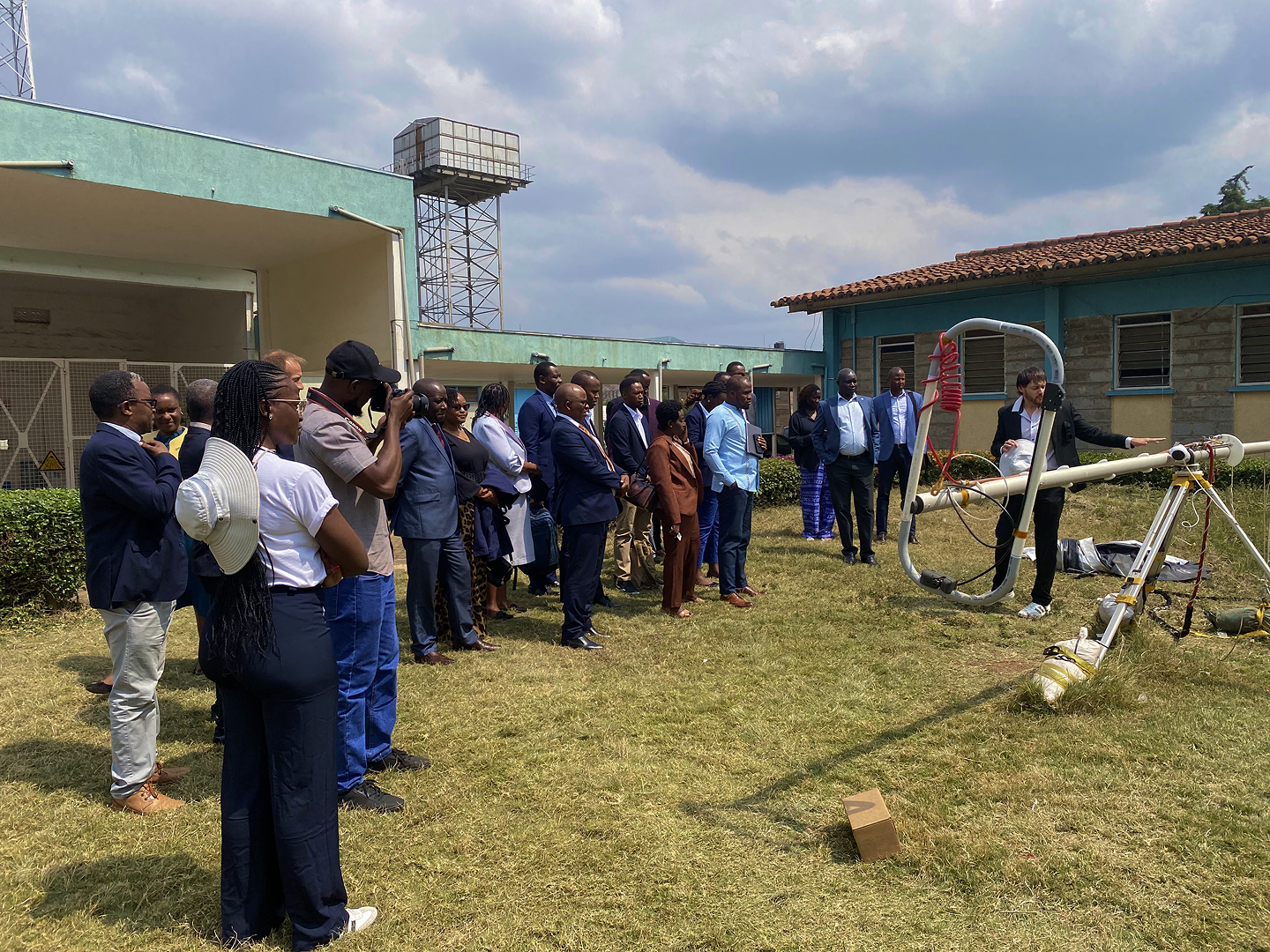
In early 2024, we partnered with the Gates Foundation and the Kenya Meteorological Department to deploy our system in Kenya. The goal: capture atmospheric data that can be integrated into regional and AI weather forecasts for farmers and improve response lead times for extreme weather events.
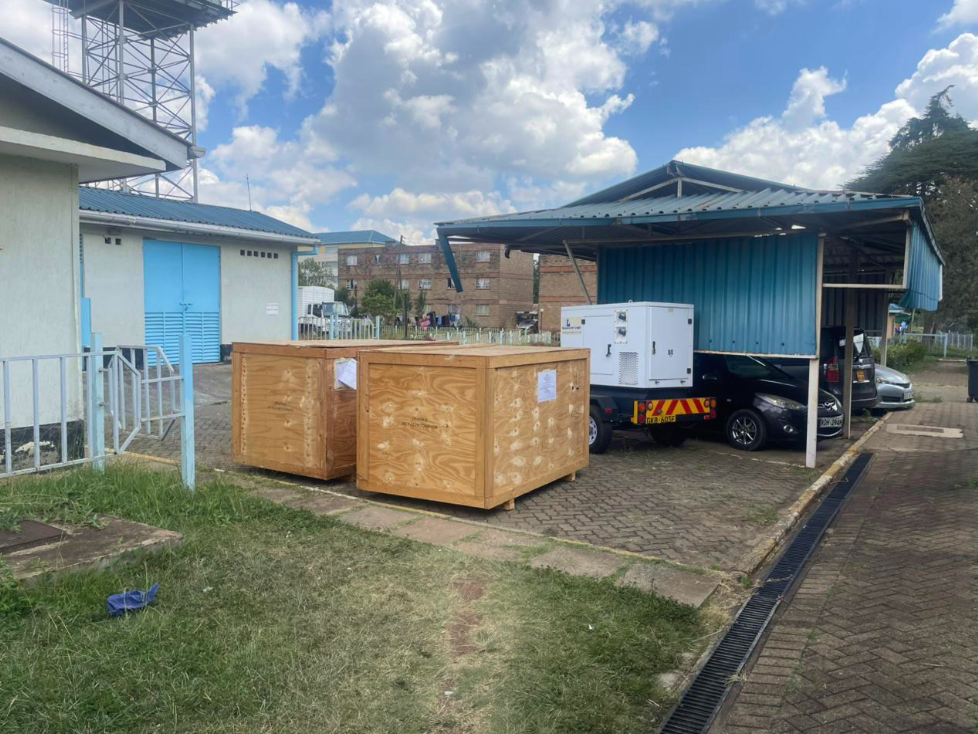
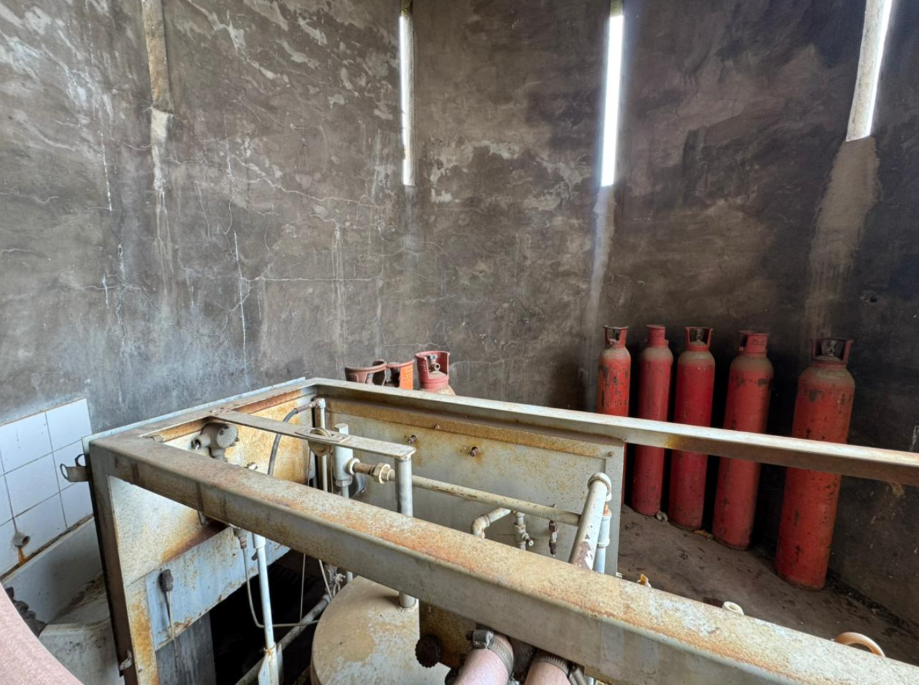
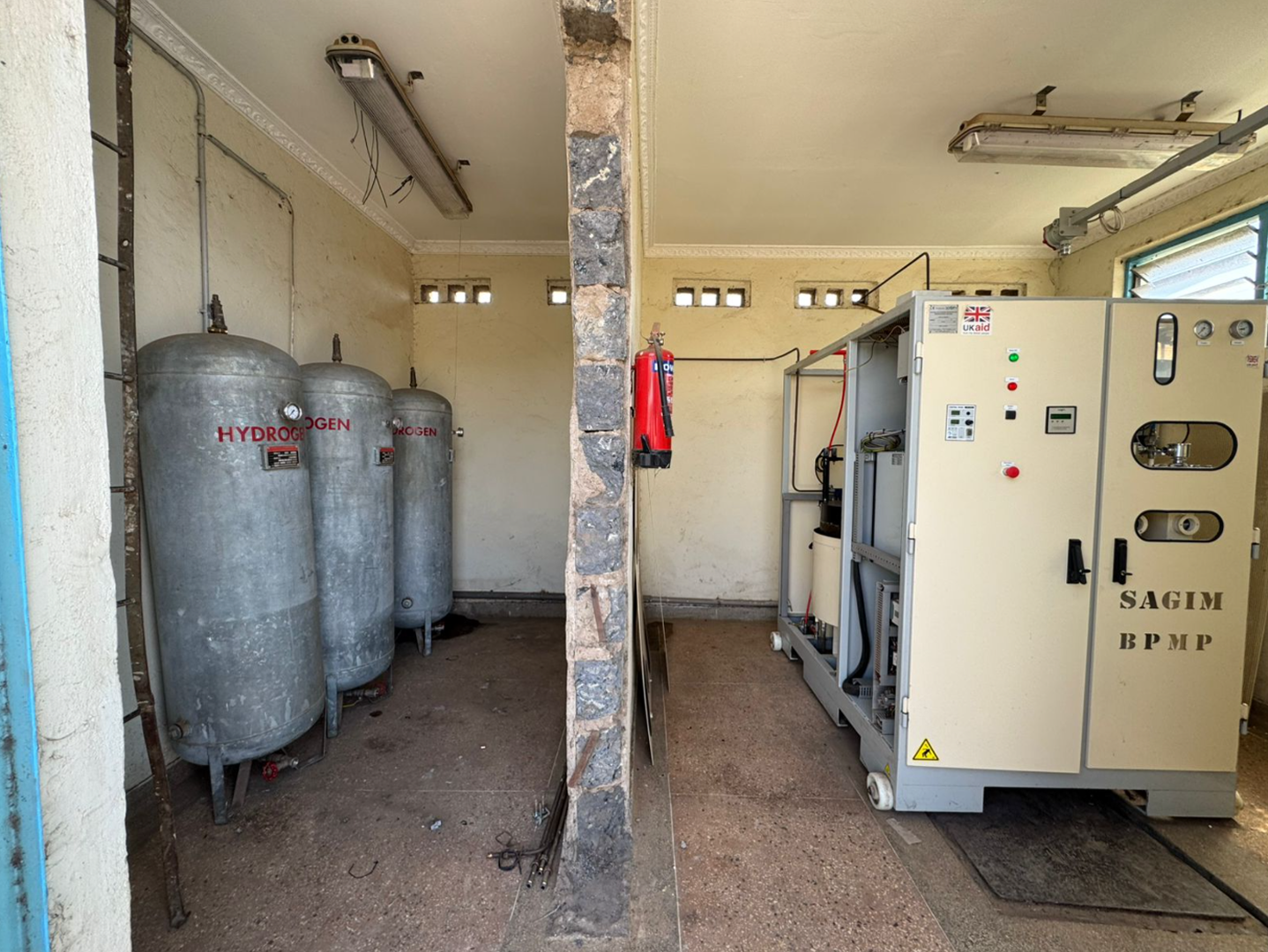
Since our first launch on September 26, 2024, our balloons have flown over 8,231 hours over Kenya and collected 37x more data than a traditional radiosonde could collect in the same timeframe. We also recently completed a hydrogen generator improvement project, which will enable us to significantly increase our launch cadence in the region.
But data collection is only part of the equation. The real challenge is translating raw atmospheric observations into actionable information that farmers can actually use. This is where partnerships with organizations like the Kenya Meteorological Department and TomorrowNow (another Gates grantee) are key as they close the last mile between data and decision-making for farmers.
Samantha Nafula Rashid, our Launch Operator managing Kenya operations since November 2024, sees this partnership model in action every day:
“From what I’ve seen working closely with KMD, better upper-air data directly supports better forecasts and stronger early warnings. That matters for floods, storms, aviation, agriculture; things that affect people’s lives every day. WindBorne brings innovation, KMD brings local support and operational leadership, and the Gates Foundation’s support helps make it possible to deploy and scale this work where it’s needed most. Seeing all those pieces come together on the ground has been really powerful.” - Samantha Nafula Rashid (WindBorne Launch Operator, Kenya Operations)
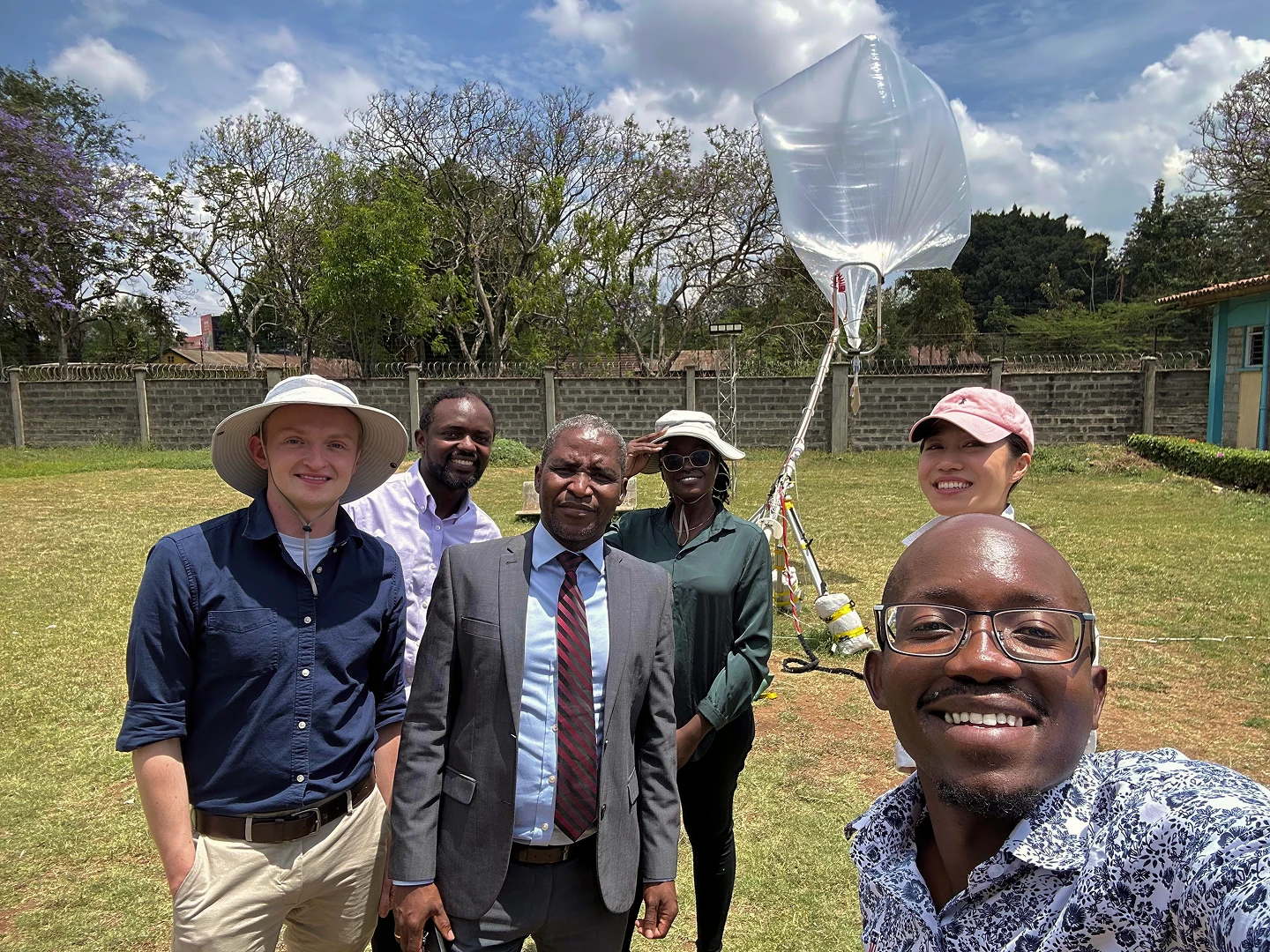
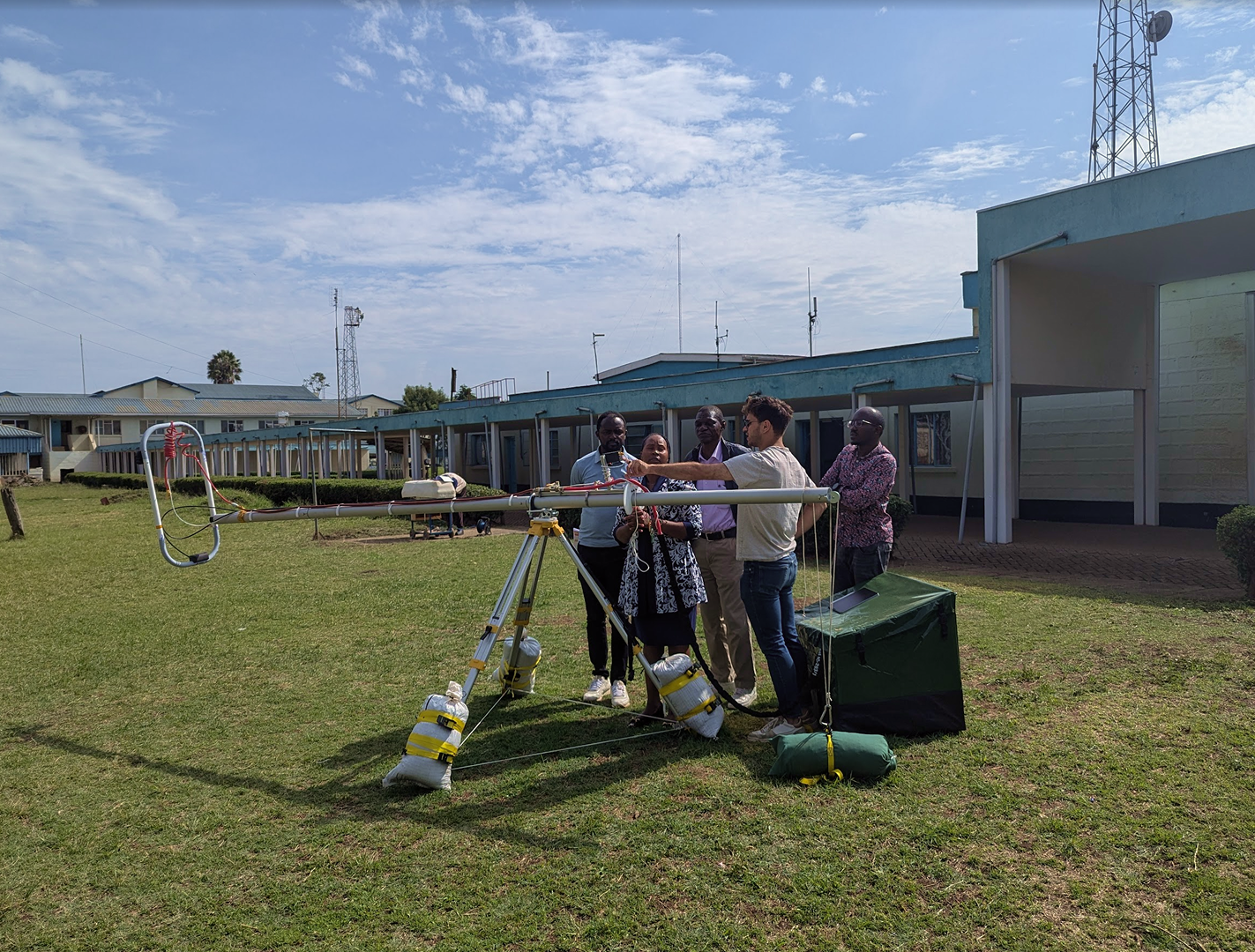
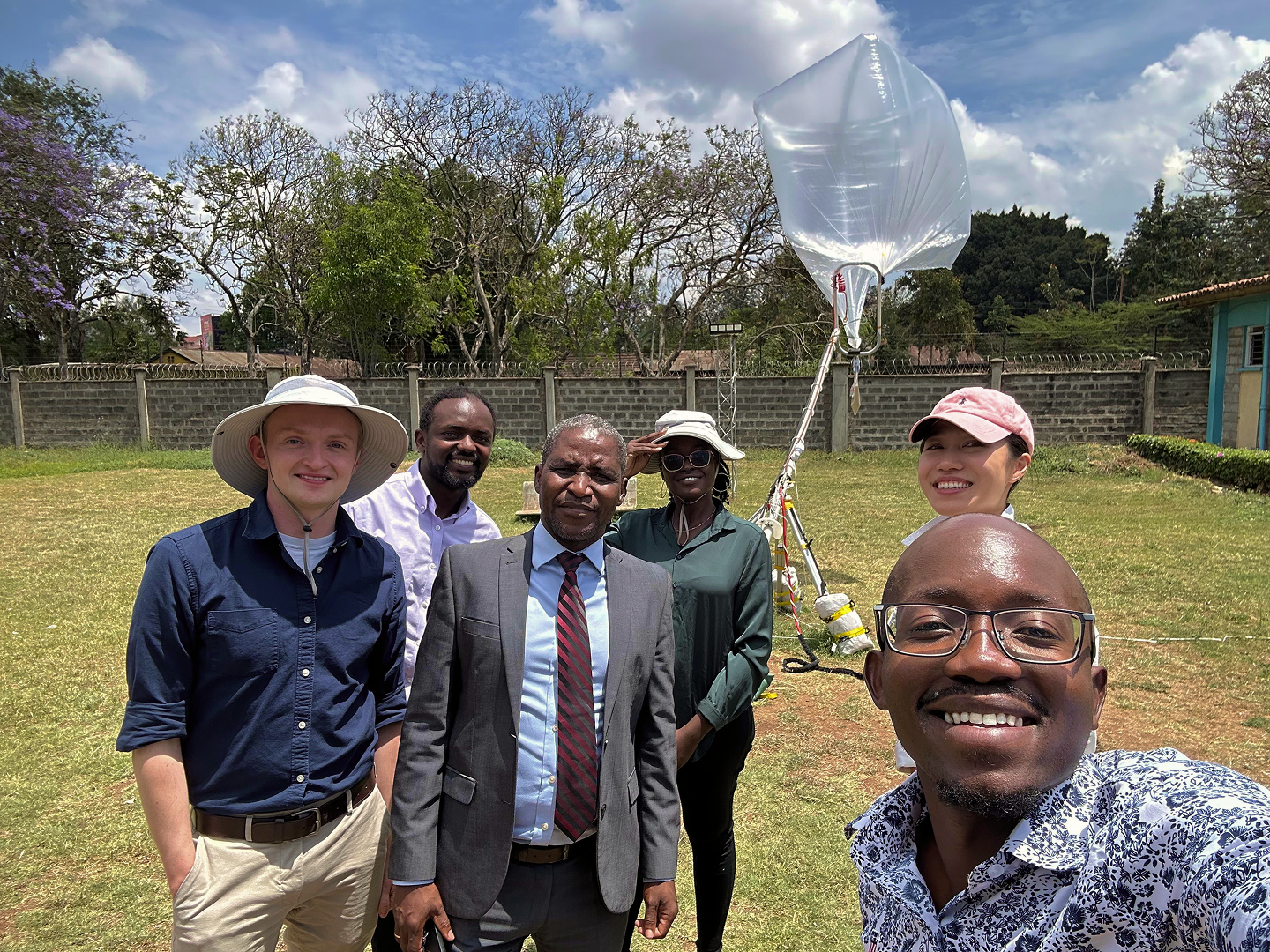
Here are a handful of photos from our ongoing collaboration:
Building Toward Global Coverage
Our ambition is to scale Atlas, our global constellation of weather balloons, to 10,000 balloons concurrently aloft. With just 1/25th of the balloons launched worldwide today, we can offer complete global coverage. We've already executed over 5,000 flight missions and operate the most comprehensive, cost-effective, and sustainable atmospheric sensing system on the planet.
The work in Kenya is an example of what's possible when you combine innovative technology, strategic partnerships, and a clear North Star toward impact. For Africa specifically, improved weather forecasting isn't a luxury. Instead, it serves as an adaptation tool, an economic multiplier, and a matter of livelihood for millions.
As we continue our work in the region, we face a daunting infrastructure challenge but alongside incredible collaboration between private companies, nonprofits, international government agencies, and local partners. When you can finally measure what's happening in the atmosphere, you can predict it more accurately. And when we can predict it, communities can protect themselves: evacuate before the storm, plant before the drought, harvest before the floods.
Here’s what we're building: a planetary nervous system that leaves no region behind.


