Visual blog | September 9, 2026
Postcards from Juneau, Alaska
Chloe is a content designer at WindBorne, crafting visuals and learning how the atmosphere and ocean work. Her work at WindBorne aims to distill the optimism that an emerging, global observation platform offers in the weather forecasting and science communities. In the spare moments, Chloe embarks on fruit-foraging walks with friends.
Visiting Juneau from California, I had the chance to document a weather balloon launch and learn how the small city’s always-uncertain weather translates into a rhythm of life.

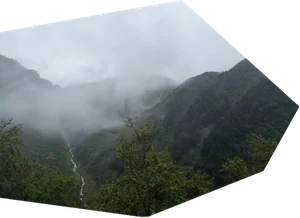
My plane’s gradual descent revealed that a boring gray sky is only one view of the fantastic land of triple-decker clouds. Yet again, the in-situ experience serves as a healthy reminder of the endless complexity we approximate with weather and climate models. After one last cloud layer, we popped into a drizzly Juneau.
Hailing from parched California, the dose of water was welcome. However, the week’s worth of rain on the forecast created a problem for my plans to document a weather balloon launch. I quickly learned that here, plans are not up to you. That is nature’s right. And most of the time, that’s okay.
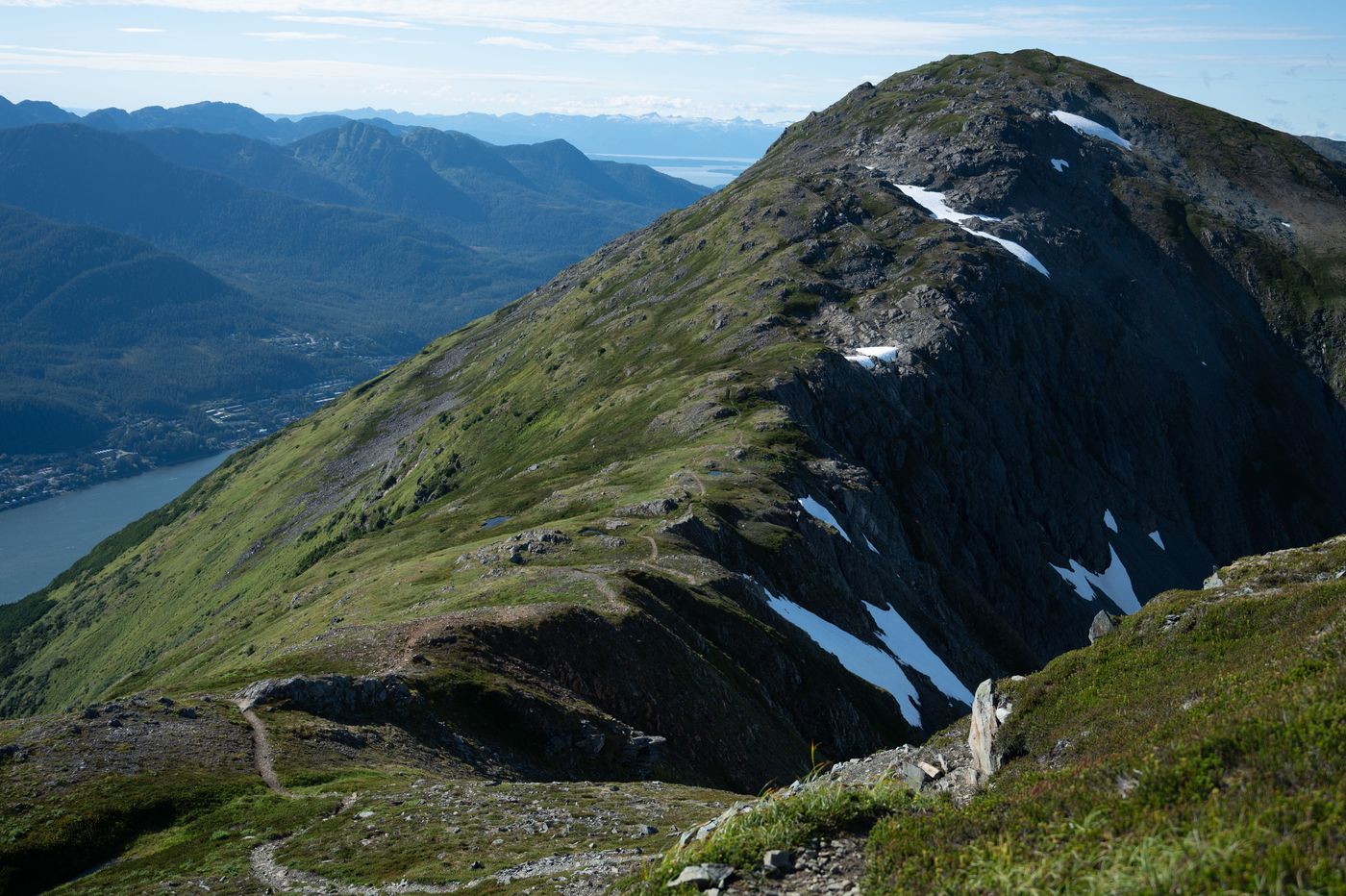
The mountainsides bloomed with conifers, ferns, and mosses that grew upright with soft stems. Downtown Juneau averages 90 inches of precipitation each year, with August and September among the wettest months. Residents are used to the rain, and if anything, the place is aggressively outdoorsy in spite of it. Or maybe because of it? A rainy jog to a waterfall about fifteen minutes out, flush with all the recent rain, and I understood the appeal.
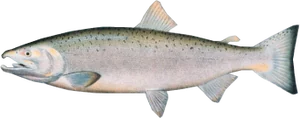
The folks I was staying with had their own line for this, “Don’t let the moss grow on you!” Meaning: keep moving, rain or shine. The longer I stayed, the more I began to hear it as advice for facing uncertainty. Most of the time, weather unpredictability is mundane; on-and-off rain is well within the tolerable range for driving to work. And still, people do more, they fish a freezer’s worth of precious food each year, go mountaineering, and organize meal trains for one another. To be a Juneau resident is to be prepared, tenacious, and ready to play it by ear.
Unfortunately, weather uncertainty has its own, more severe consequences. The lack of reliable forecasts can make it incredibly difficult to do the planning necessary for securing income and safety. Sometimes an unexpected storm can cancel outdoor tours, or a short fishing window can suddenly turn dangerous at sea. At the beginning of this year, record snowfall disrupted the community, sinking small boats, collapsing roofs, and delaying shipments (all goods in Juneau are shipped; no roads connect it to the rest of the continent).
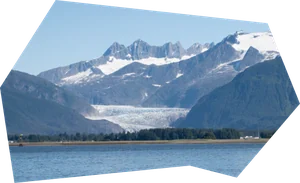
On everyone’s mind is also the glacial lake outburst flood that has occurred every summer since 2011, where rain runoff and increasing glacial melt builds up enough pressure in an ice-dammed basin to open a channel. Flash flooding in 2024 was especially severe, damaging 300 homes near the Mendenhall River. Anticipating when and how much flooding occurs is challenging, and partly depends on how well precipitation is forecasted in the region.
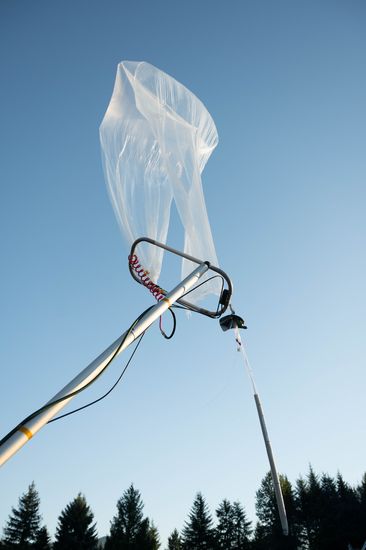
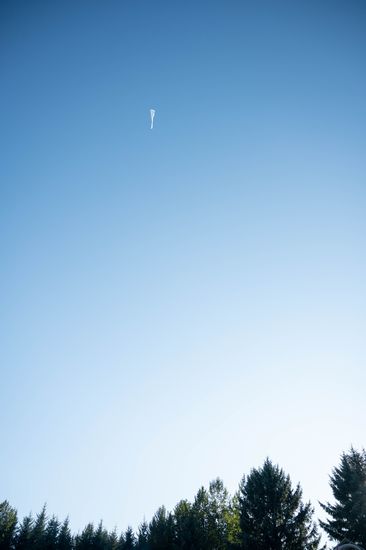
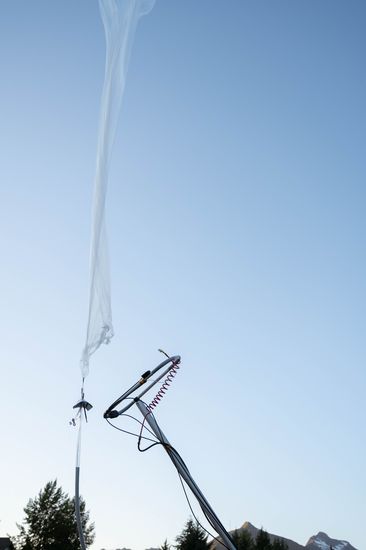
My mission: finding a moment to visit our Juneau launch site and documenting a weather balloon launch with a normal amount of downpour (but even normal rain impacts a lightweight balloon). Some context: Radiosondes, or traditional weather balloons, are made of latex, ascend through the atmosphere, and pop after two hours. Due to their material, they can be overfilled in rainy conditions to push through. But, they also return a single vertical profile and fall into the ocean. WindBorne balloons are filled just enough to be neutrally buoyant at a specified altitude, which means the added weight of rain or ice can impact their performance. That sensitivity at launch is the trade-off for a balloon that flies for weeks, circling the globe and collecting thousands of observations from parts of the atmosphere no one else is measuring.
(TL;DR - WindBorne balloons need nice weather to launch, but once up, they can ride the winds and collect more measurements.)
Two days out from the planned launch, a moderate low-pressure system formed to the northwest, and was projected to strengthen as it moved along the coast towards Juneau. The top operational models couldn’t agree with each other on how much, if any, rain it would bring. This time, luck was on our side and it cleared up. Interestingly, it turns out WeatherMesh-6 was one of the models forecasting dry skies for Sept 2 00:00 UTC, when we wanted to launch, a few days ahead.
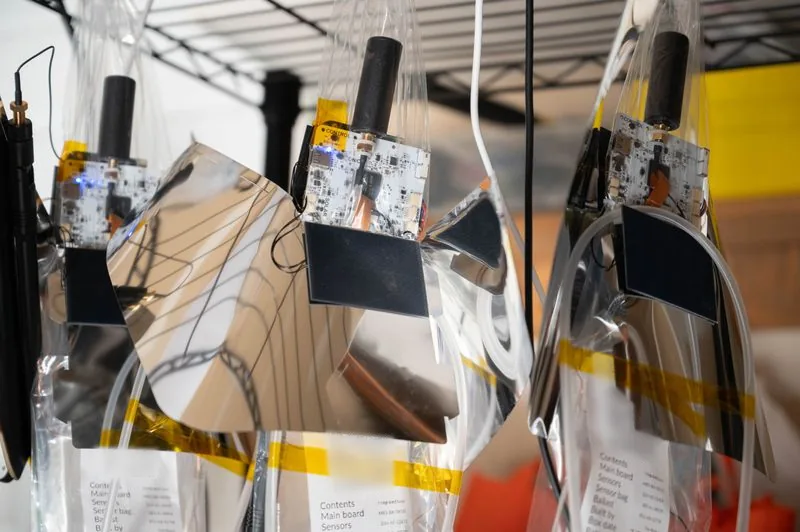
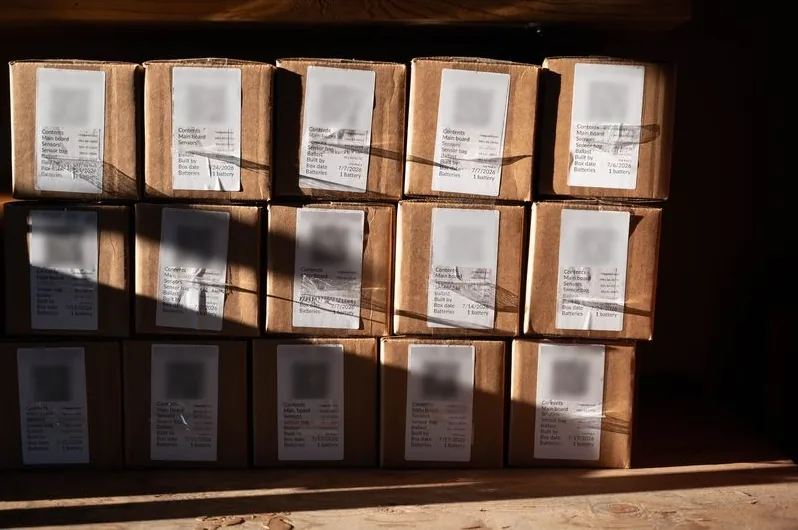
Ed Becker, a resident of the city for years, was examining his cart of charged-overnight main units when I arrived. He wore one of our light baseball caps that read, “I found a weather balloon and all I got was this stupid hat.” Launching balloons after teaching history and German at the local high school, what a side hustle! Just a day in the life of the fun-science-experiment-minded launch operator. As it happens, launching is not all fun and games: weather presents a narrow window of opportunity, and within that he must troubleshoot any ‘funny monkey’ hardware. Ed went down the checklist—board is programmed, batteries charged, valve and ballast actuators work, GPS locked.
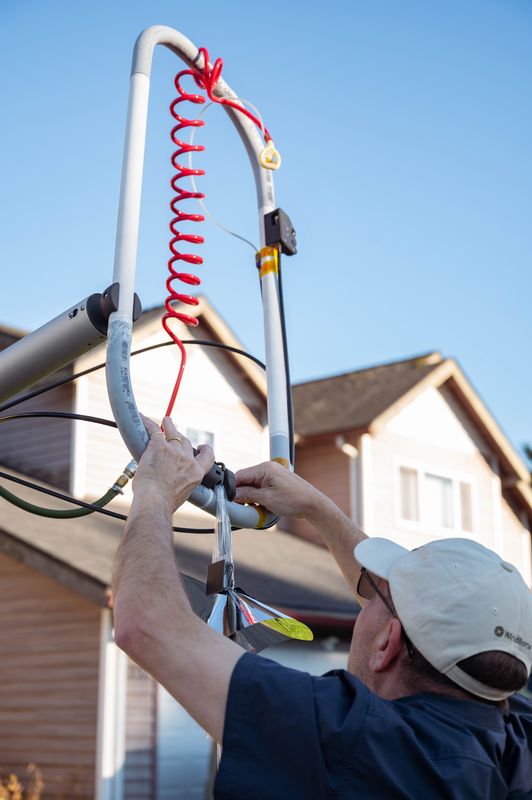
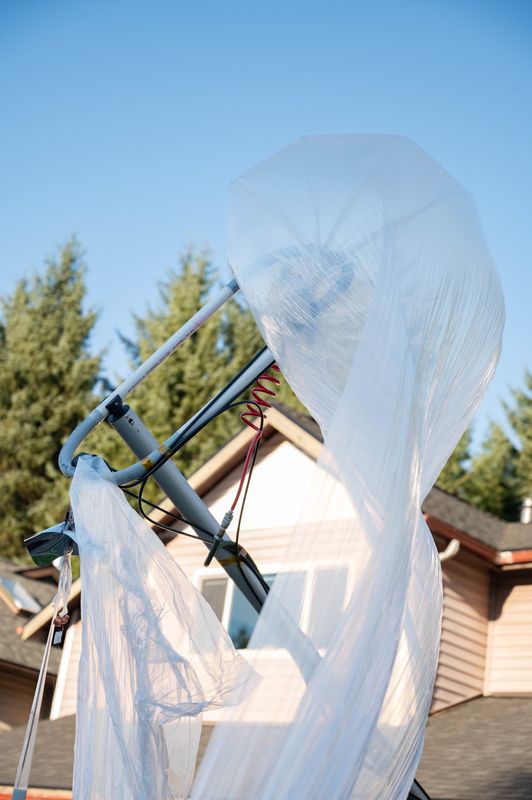
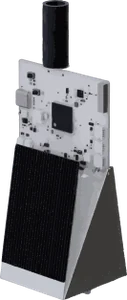
Launching a WindBorne balloon is designed to be as streamlined as possible, but it’s still up to each launch operator to bring the situational awareness and coordination to ensure a successful launch. Launching requires reading wind conditions, handling compressed gas, and assembling flight hardware outdoors.
Like that we flew two balloons for the day. I watched them drift out of sight against an evening sky and partially snow-covered crag. A canvasser for a Juneau City Assembly candidate, after discussing teachers’ concerns with Ed, hung out with us to watch the balloons. The kids rolling up and down the street on their bikes didn’t bat an eye; just another day for balloons.
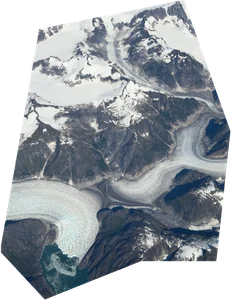
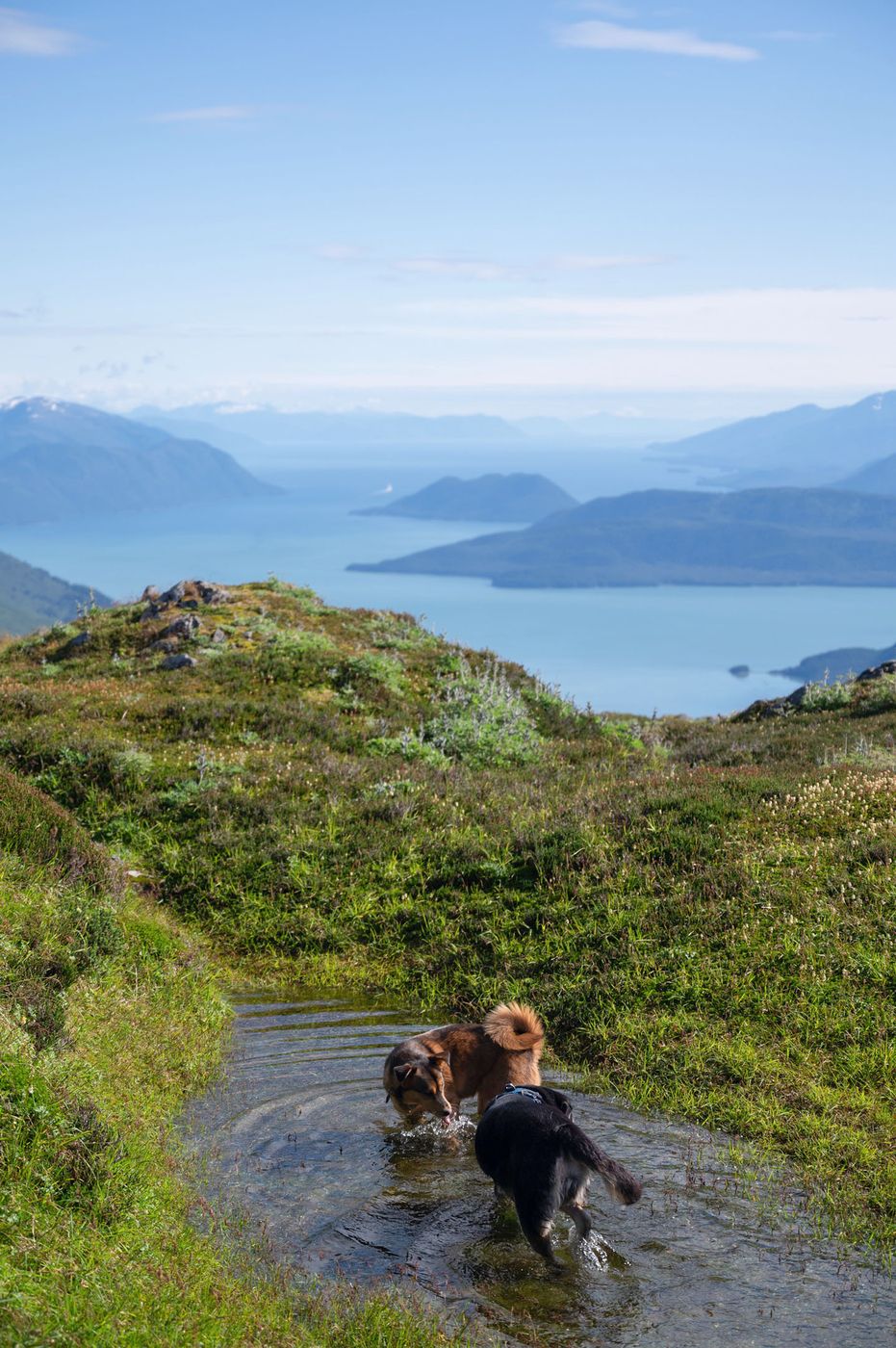
In the end, I wouldn’t have minded all-sunny days of icefield vistas and calm alpine ponds, but I suppose I would have missed the point of Juneau. Here, you just show up, launch balloons when you can, and know the bit of atmosphere you’re observing today makes tomorrow’s forecast better.
Salmon photograph courtesy of NOAA. Mainboard photo from WindBorne. All other photos are from the author.